What is the Story Behind the OXO cube? A Surprising History of a British Kitchen Staple

Inside a modern 1960s kitchen blog image

The Oxo cube originated from ‘Liebig’s Extract of Meat’, developed in the nineteenth century by German chemist Justus von Liebig. In 1903 the company introduced the cube format as an affordable ‘penny product’, allowing ordinary households to add instant flavour to soups and stews. Over the twentieth century the Oxo cube became associated with Britain as thousands of cubes were sent to the troops in both World Wars. Flasks of hot Oxo stock were taken to bomb shelters. TV advertising meant the British people had a Oxo family to relate to in soap opera style. It has become a staple of British kitchens and an icon of everyday cooking.

Open almost any British kitchen cupboard and you are likely to find a familiar little red box (or tin!), with cheerful white lettering. It is filled with foil-wrapped wonders,  which have offered comfort in many scenarios. They have served as a hot drink for a quick pick-me-up or a way of adding flavour to favourite recipes.Yet behind this humble kitchen ingredient lies a surprisingly rich story. 

Who Invented the OXO Cube?

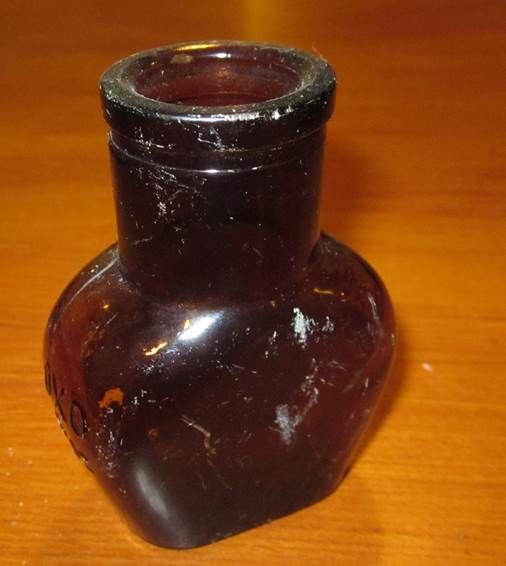
Oxo did not start life as a cube. Its German inventor, Baron Justus von Liebig, developed the origins of the product in response to the ‘hungry’ 1840s, when potato blight caused hardship across Europe. The health benefits of beef tea were already known, but he wanted to provide a cheaper substitute. ‘Liebig’s Extract of Meat’ came to England in 1865 and was sold as a paste like product in small bottles. 

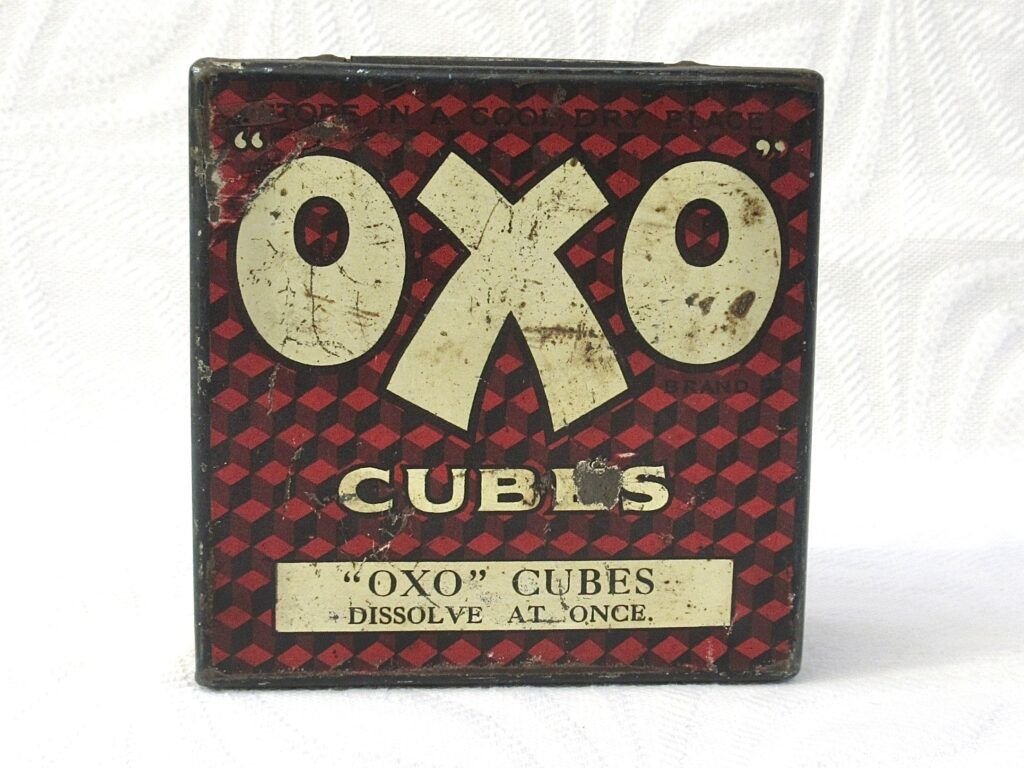
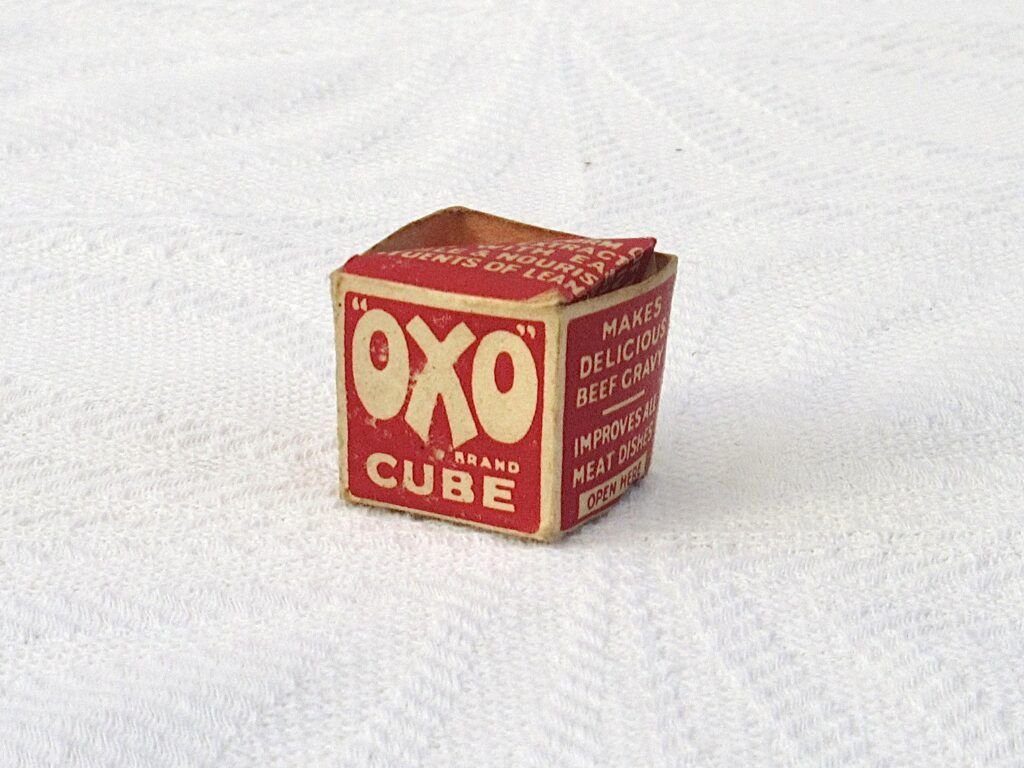
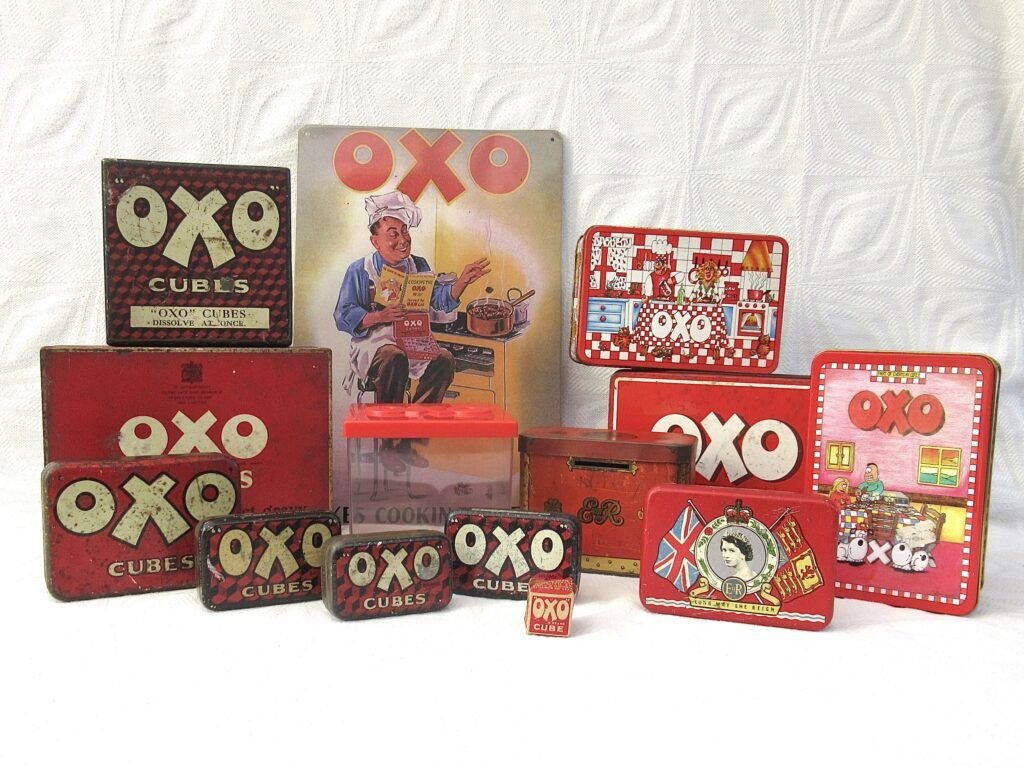
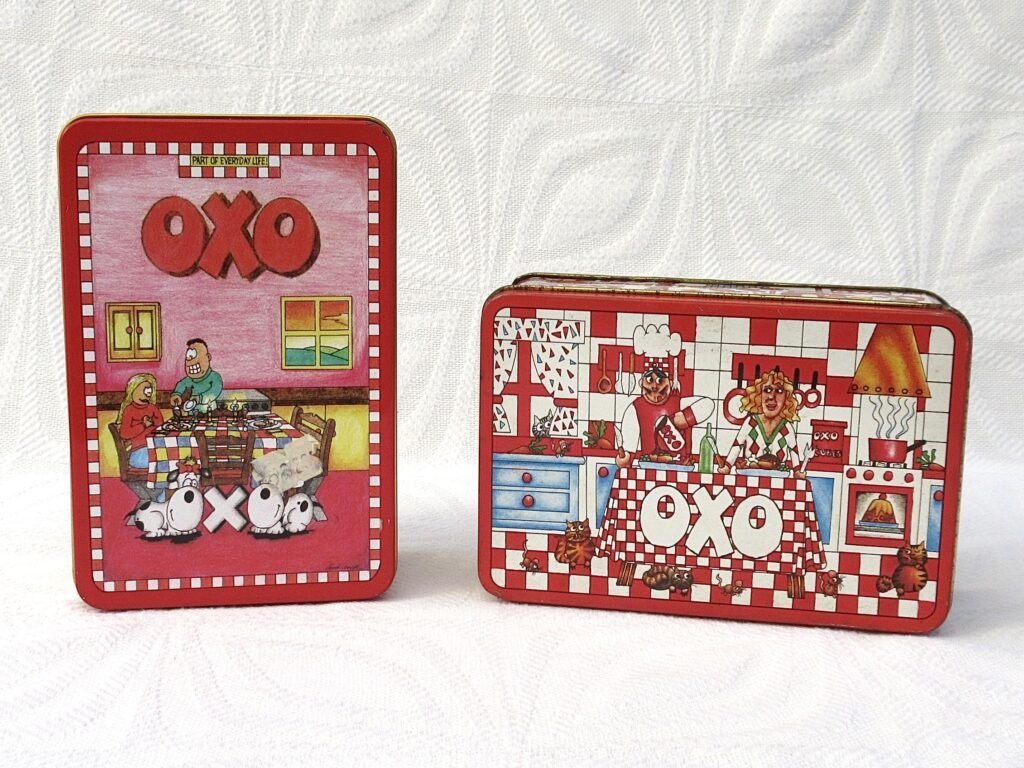
However, the price was still beyond the reach of many families. As a result, the Oxo cube was invented in 1903 and sold as a ‘penny product’, with each cube wrapped in a tiny cardboard box. They were sold in corner shops and grocers in multiples of 6, 12, 24 etc and packaged in cheerful little red tins.

Where did the name OXO come from?

The brand name Oxo was registered in 1899 when the company wanted to differentiate itself from competitors. No one knows exactly where the name came from. One explanation is that the ‘Ox’ stood for the beef product and the ‘O’ for the shape of the bottle. 

Why is the OXO Tower so called?

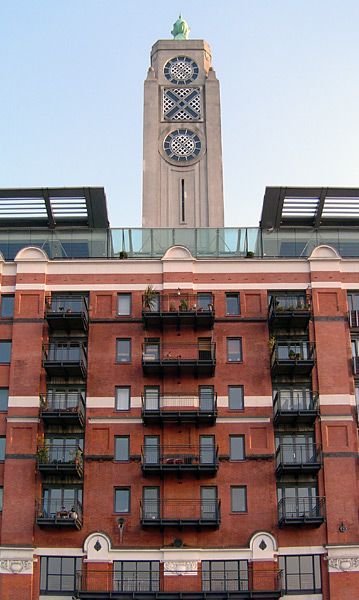
After the First World War the company moved to a new building near Southwark Bridge. Now affectionately known as the Oxo Tower, it was originally a power station for the Royal Mail. The company redeveloped the building in the 1920s, adding a distinctive new tower. Urban legend suggests they planned to decorate it with illuminated lettering but were turned down. A ban on advertising existed along the South Bank, so the company produced an ingenious solution. The tower was designed so that the spaces between the bricks spelled out OXO. This counted as architecture rather than advertising and allowed the company to get around the rules. Whether true or not, the tower became a recognisable feature of the London skyline, continuing as such to the present day.

What role did OXO play during the World Wars?

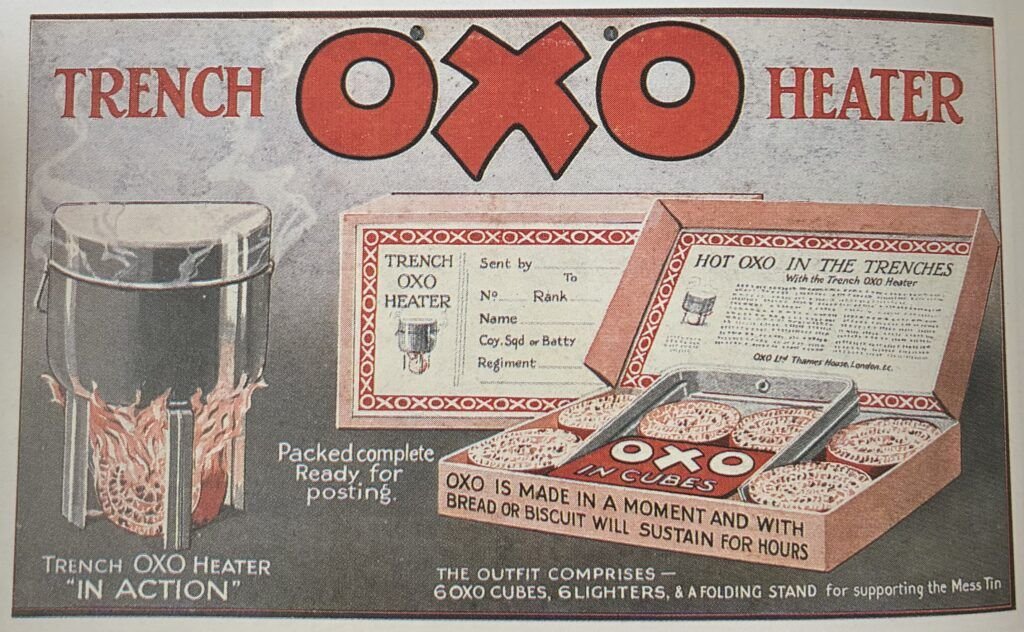
During the First World War the company sent thousands of tins of Oxo cubes to the trenches. They formed part of soldiers’ emergency rations alongside corned beef. Families at home could send their loved ones Oxo kits containing six cubes, lighters and a folding stand for supporting a mess tin. 

In the Second World War the company moved its factories from London to Wiltshire and Lancashire to protect production from bombing. Women workers adapted from loom work to cube manufacture and packaging. However, it was in the kitchen that Oxo came into its own. Rationing meant meat was restricted and Oxo added instant flavour to everyday dishes. Ingeniously named recipes appeared, including Allotment Pie and Potage Villageois.

As in the previous war, Oxo cubes were sent to the troops and considered an essential part of their diet. They were also important on the Home Front. A hot flask of Oxo provided warmth and comfort in shelters, on lookout duties and in emergency establishments. On the Channel Islands under German occupation, empty Oxo tins proved the perfect size for hiding miniature wireless sets after radios had been confiscated.

After the war, rationing continued until 1954, with Oxo cubes still filling the gap. In 1952 the price of a cube rose above a penny for the first time.

Is OXO a British Product?

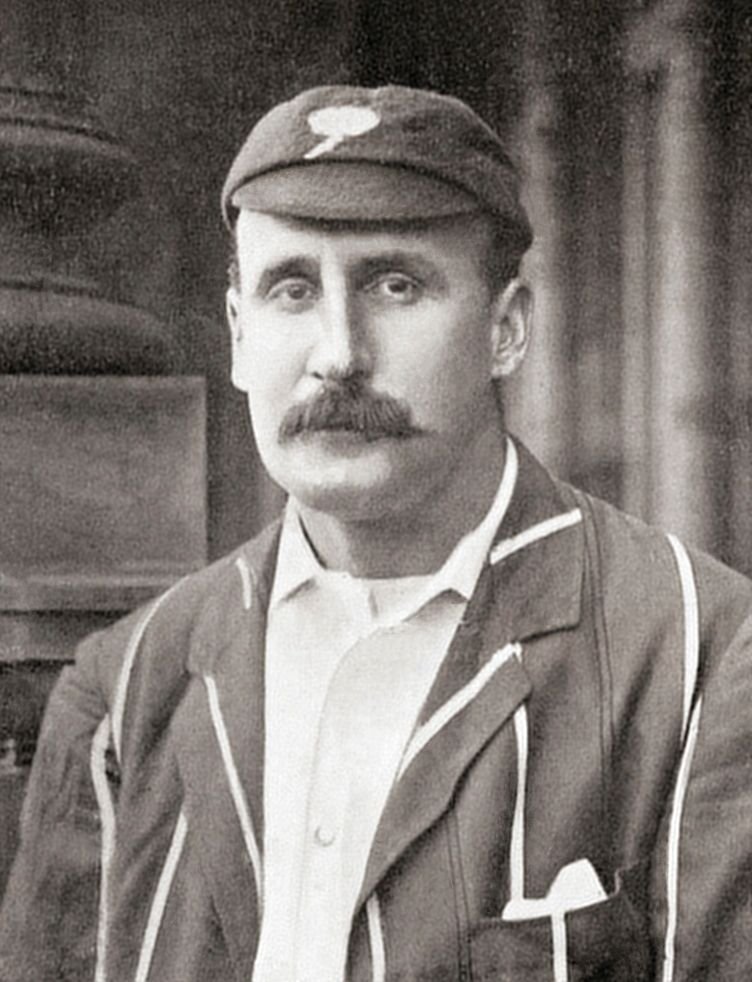
Due to growing anti-German sentiment in the early twentieth century, Lord Hawke, president of the MCC, was made chairman. This association helped shift the brand away from its German inventor at a volatile time in Europe. The cricket connection also reinforced Oxo’s association with British values, along with health and vitality. The brand had previously promoted these qualities by sponsoring sporting events. They were the official caterers of the 1908 London Olympics and supplied marathon runners with reviving Oxo drinks.

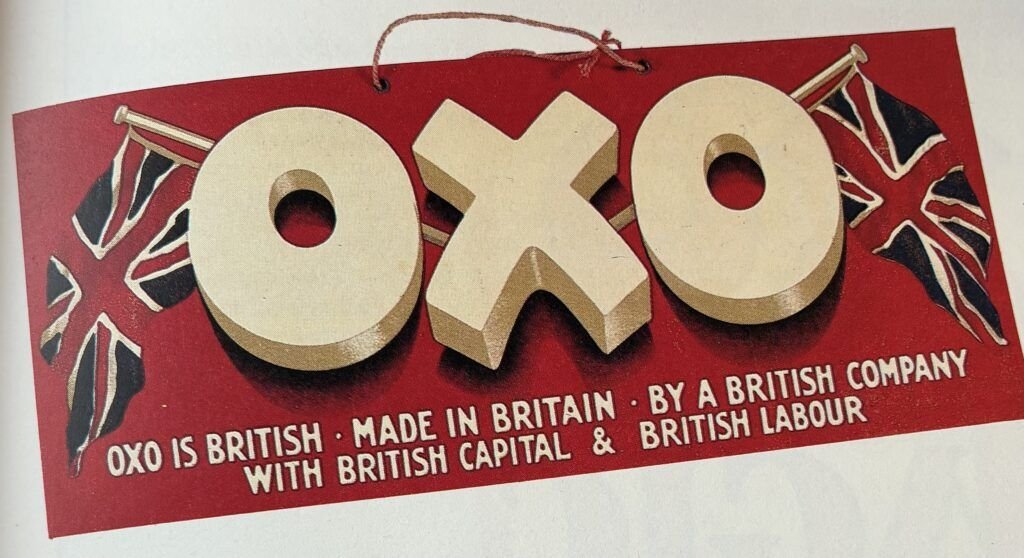
When the First World War started, the company was keen to present Oxo as a British product. Advertising reflected this with patriotic slogans and Union Jack imagery. By the end of the war, Oxo was firmly embedded in the British kitchen and this continues to the present day.

When did OXO Foil Wrapped Cubes appear?

By the late 1950s shopping habits had changed and Oxo had to compete in the new world of supermarkets. Gone were the familiar tins sold in corner shops. Impulse buying and increased competition meant packaging had to look attractive on the shelves. New technology allowed cubes to be wrapped in foil and sold in cardboard boxes.

At this time the company experimented further with products and a chicken cube was introduced in 1965. Originally called ‘Golden Oxo’, it featured distinctive warm yellow packaging.

In 1989, to reflect changing tastes, the vegetable cube was introduced in green packaging.

Who appeared in the OXO TV adverts?

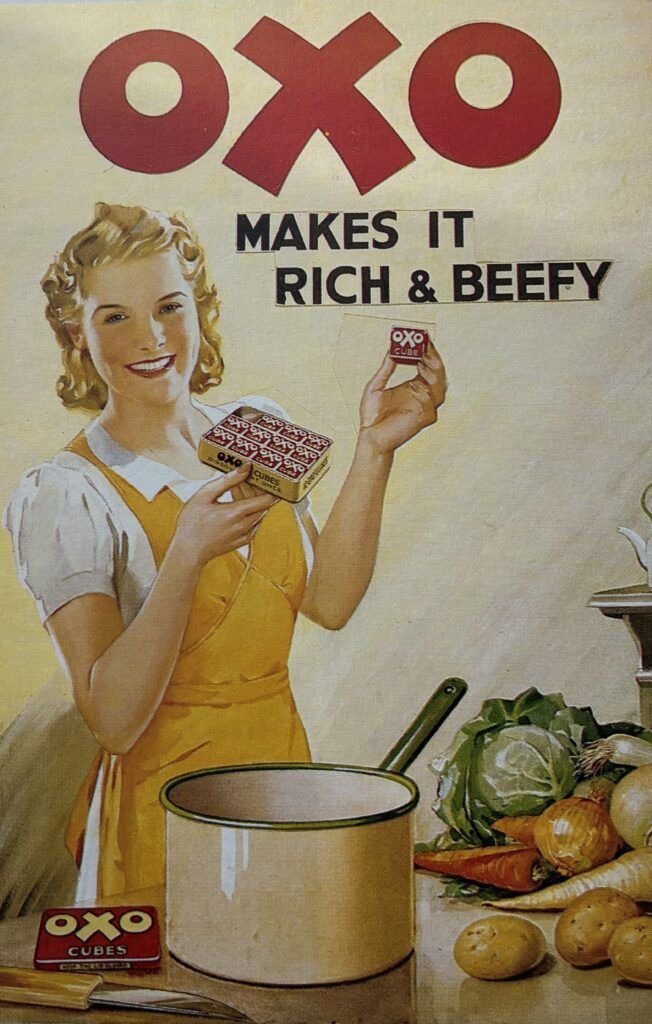
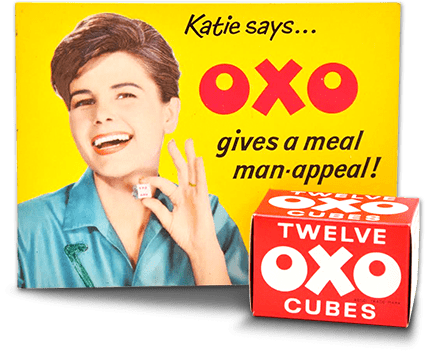
When television advertising arrived in the 1950s and 1960s the Oxo advertising department had to adapt. The real success came with the arrival of the Oxo kitchen heroine. A series of advertisements was produced set out like a soap opera. The first OXO mum, Katie (played by Mary Holland) always created successful meals for her family with the help of Oxo cubes despite everyday mishaps. The slogan ‘Oxo Gives a Meal Man Appeal’ reflected the attitudes of the time, when a woman’s success at home was often judged by her cooking.

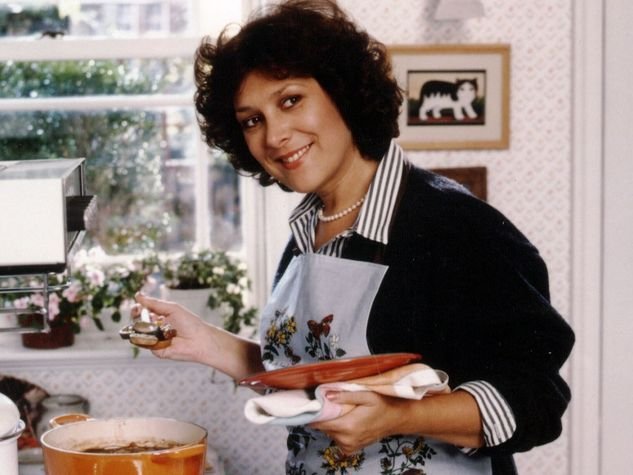
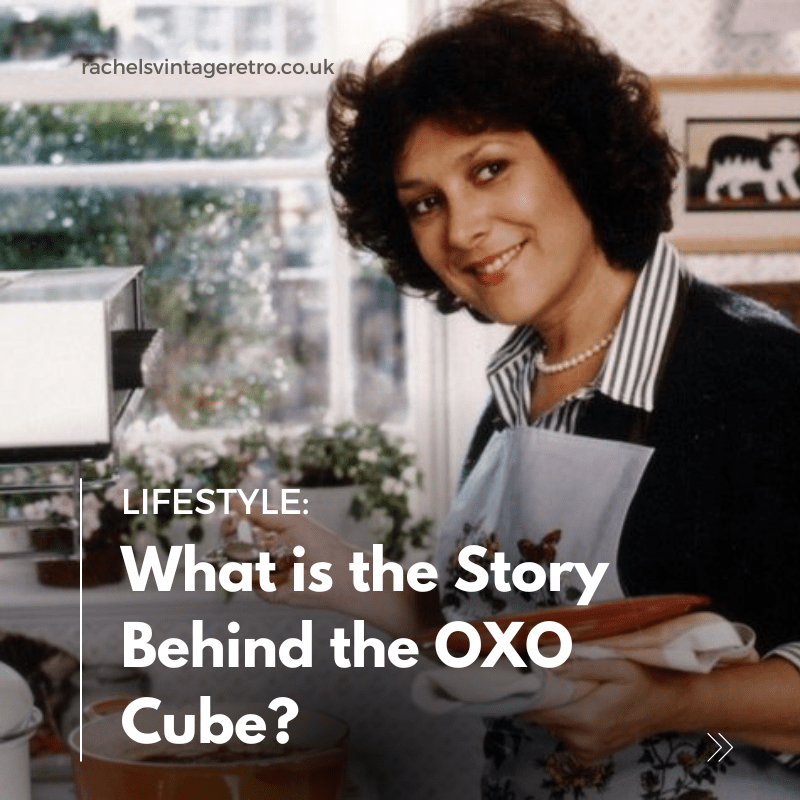
By the 1970s Oxo recognised that attitudes were changing and Katie was retired. Advertisements now featured actor Dennis Waterman as the Oxo man, appealing to a generation increasingly comfortable with men cooking. However, viewers missed the Oxo family, and in the 1980s a new mum arrived, played by the much-loved actress Lynda Bellingham. These advertisements reflected a new era of family life where things were chaotic and not always perfect. However at the end of advert, the family still came together for a hearty meal, flavoured by Oxo. The Oxo family campaigns continued until 1999.

What OXO Collectables are there?

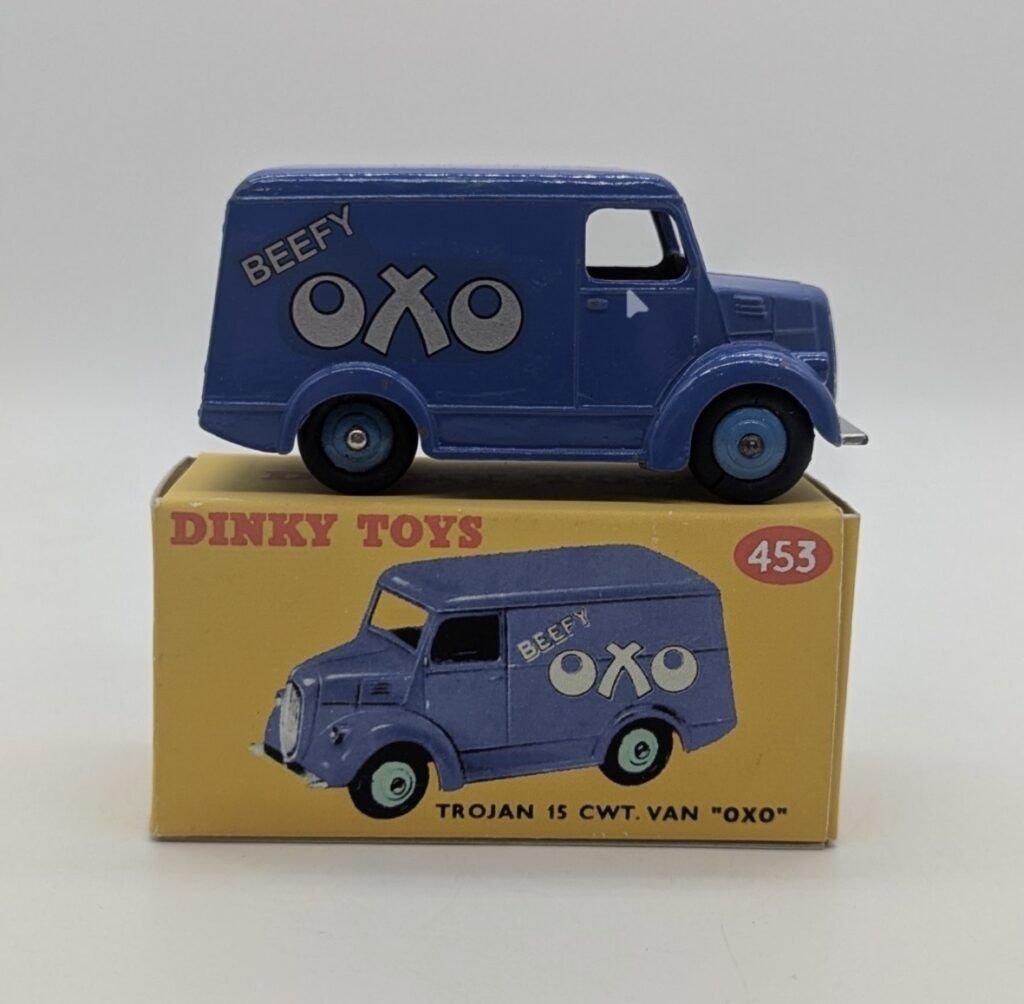
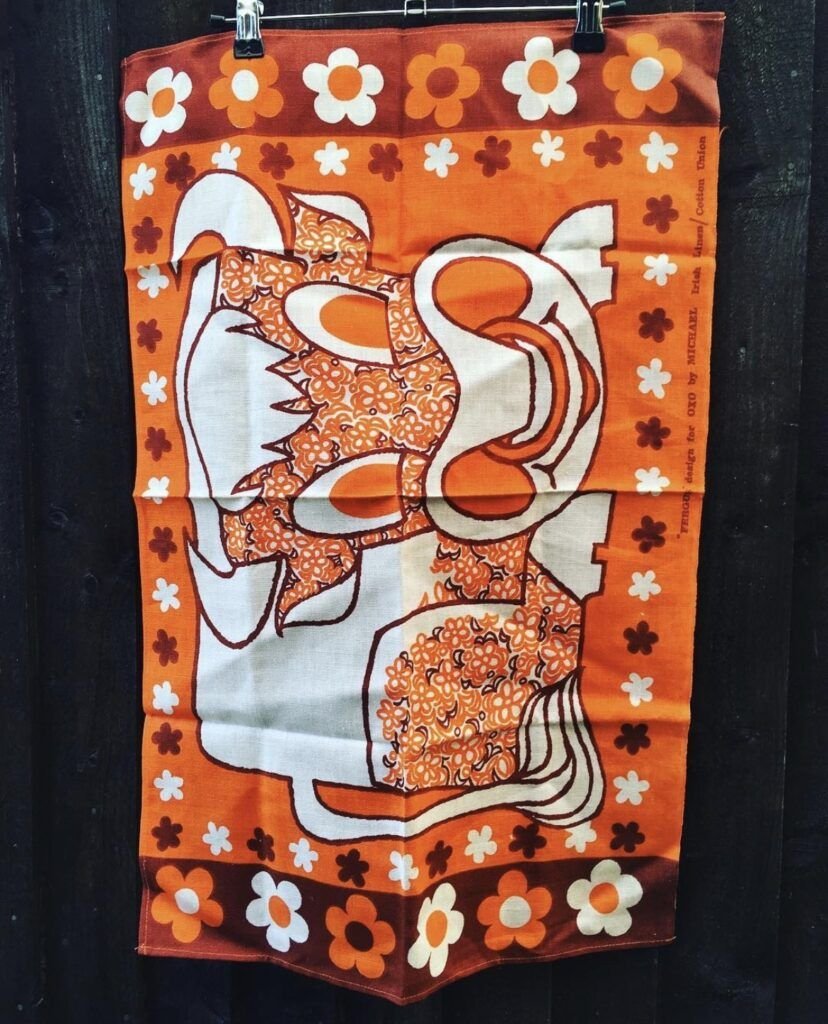
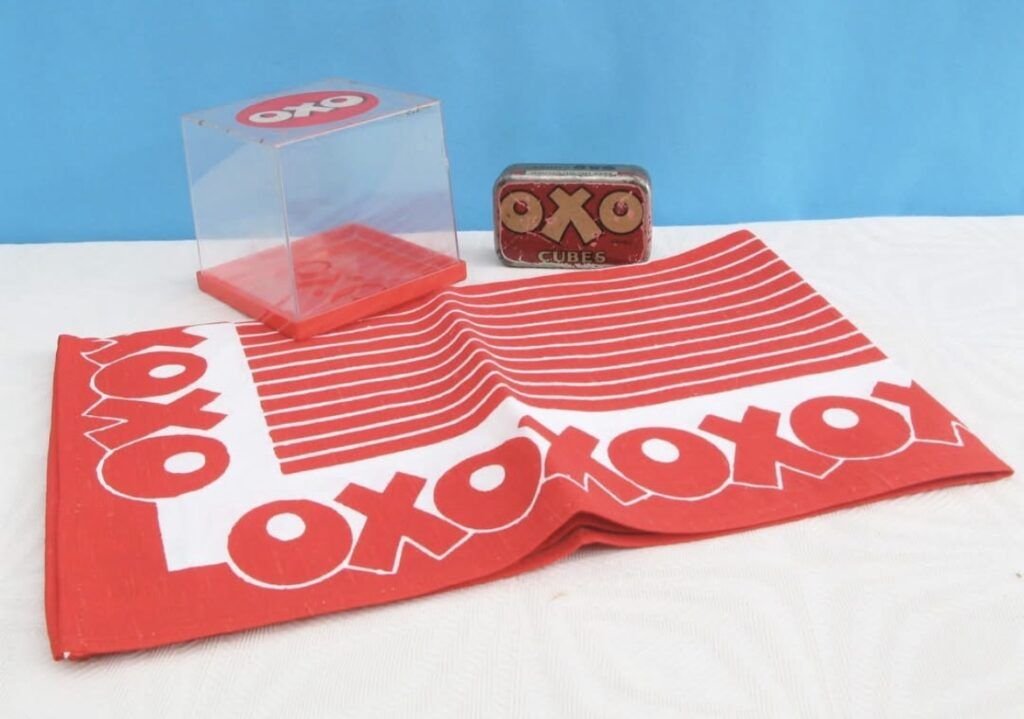
Oxo was a pioneer of promotional marketing throughout the twentieth century. This means there are many collectables to find. The first gift, in 1902, was a baby’s rattle with a handle spelling OXO, and given in exchange for a bottle wrapper. By the 1920s customers saved cube wrappers for gifts such as Christmas stockings, nursery rhyme books, magic books and even a doll called Betty Oxo. Some of these are very hard to find today, although there are still some Betty Dolls to be found.

Blue Flower Power Kitchenalia from the late 1960s

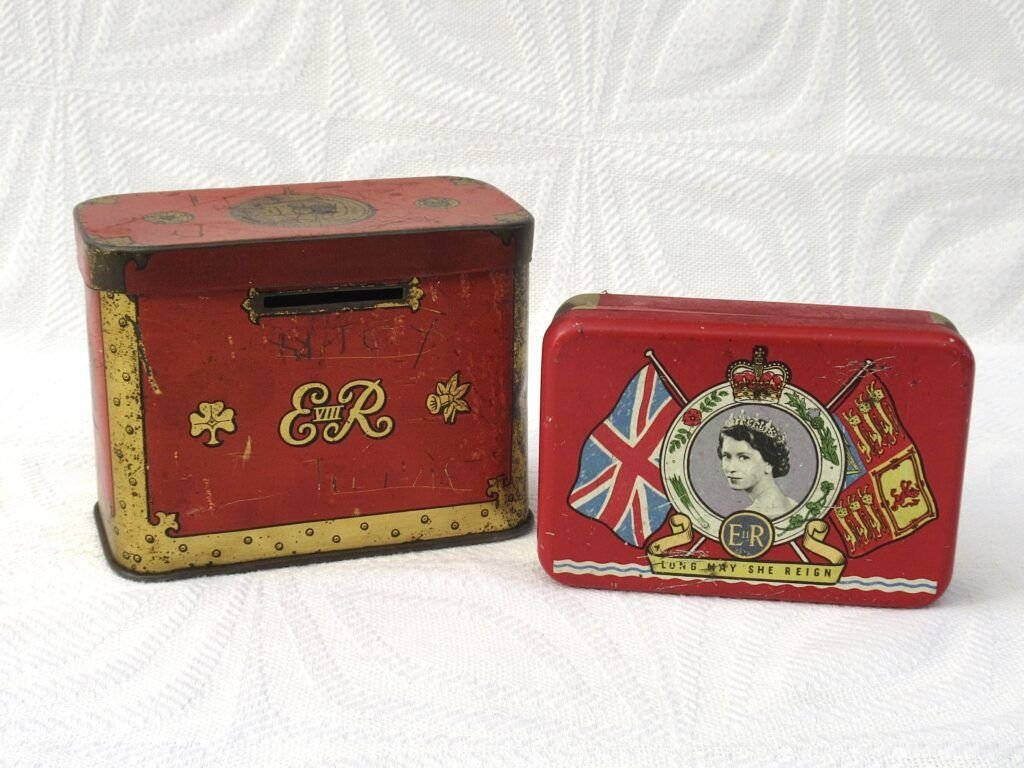
By the 1930s, Oxo cubes had become a British way of life and advertising and promotion continued to align with patriotic values. In 1937 the company produced commemorative souvenir tins for the coronation of King George VI. These were in the shape of red pillar boxes and contained six Oxo cubes along with a coronation leaflet. There was even a paper Oxo-branded crown to be worn on Coronation Day.

Today vintage Oxo tins regularly appear at antiques fairs and vintage markets. Their bold red and white lettering still looks striking on a kitchen shelf, and many collectors enjoy displaying them alongside other mid-century kitchenware. Even well-used examples carry a sense of history, with l reminders of a time when a humble cube could transform a pot of vegetables into a comforting family meal.

J&G Meakin Elongated Coffee Pot in ‘Eden’ Design

It is a testament to the humble Oxo cube that it has stood the test of time. The white logo with cheerful lettering on a red background is an icon of British design. As a result, ol

The Oxo cube is unlikely to disappear despite changing tastes in the kitchen. There will always be a box in the cupboard, ready to transform simple ingredients into a comforting family meal.

This blog post is written by Rachel Toy, owner of Rachel’s Vintage & Retro. I am a 20th Century Vintage Blogger and Dealer writing about the vintage lifestyle, collecting, nostalgia and selling vintage. I also sell carefully curated 20th century antiques and collectables from my online vintage shop. I am happy to work with related brands on collaborations and also accept guest blogs. Find out how to work with me.

Recommended Articles

Leave a Reply

Your email address will not be published. Required fields are marked *